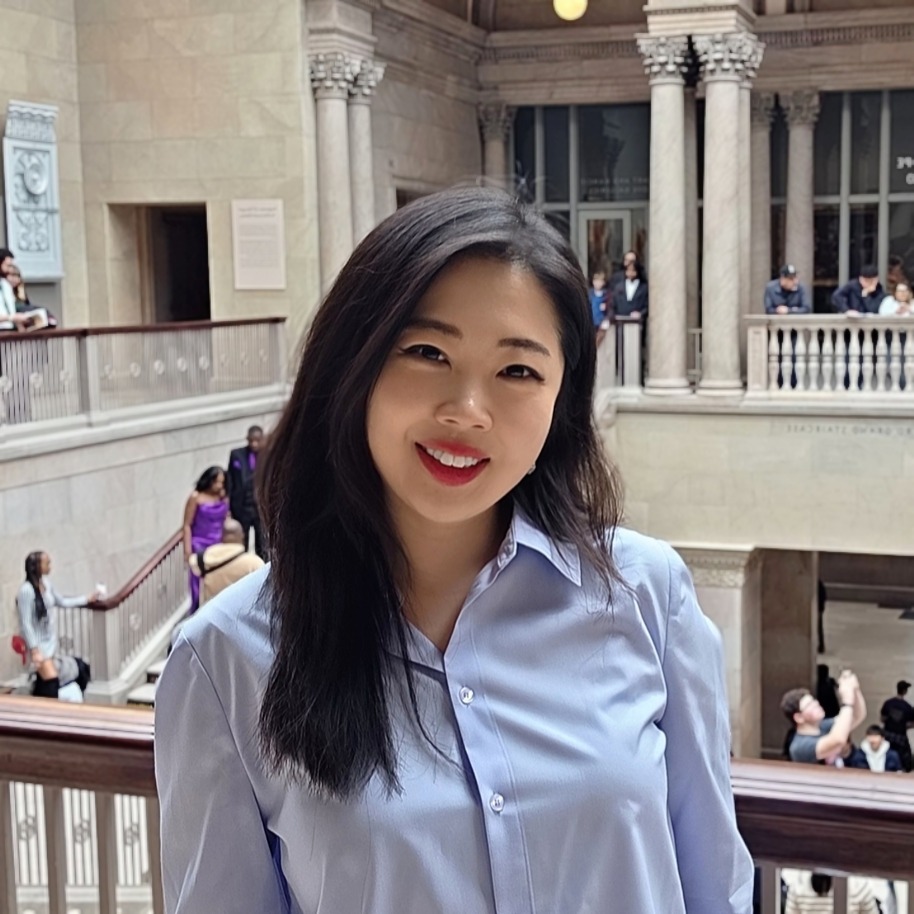
Across established and emerging democracies, I study how citizens form political judgments and how political communication shapes them. My work examines populist appeals, partisan identity, and the norms that hold democracies together, and how each takes shape in the language of politics. Running alongside it is a methodological interest that spans survey experiments and computational text analysis, including the use of large language models.
My research has been published in Political Science Research and Methods, Government and Opposition, Political Science Quarterly, the Journal of East Asian Studies, and the International Journal of Public Administration in the Digital Age, with additional work currently under revise and resubmit at Political Psychology and Political Science Research and Methods. My current book project, Populism in East Asia, investigates how populist politics develops across the region and how its political expressions are shaped by distinct historical, ideological, and institutional contexts.
My research has been presented at major scholarly venues, including the Frontiers in Empirical Research on East Asia (FEREA) held at New York University, the APSA Political Psychology Pre-Conference held at Harvard, the DMV Workshop in Empirical Political Science (DMV-WEPS) held at George Washington University, the Norms and Behavioral Change Conference (NoBeC) held at the University of Pennsylvania, the NEKST Conference held at the University of Michigan, and the Workshop on the Political and Governance Dimensions of AI-Enabled Cybercrime convened by American University and EADA Business School.
I am a recipient of the American Political Science Association's Michael Brintnall Teaching and Learning Award, the Missouri Excellence in Political Science Teaching Award, and the University of Missouri's GPC Excellence in Teaching Award. I received my Ph.D. in Political Science from the University of Missouri in 2024.