Dr. Jung's work examines how populism, ideology, and democratic norms interact across established and emerging democracies, combining survey research, computational text analysis, and AI-enabled methods.
Analyzes World Values Survey data from 28 countries, showing that support for democracy has declined since the 2000s in non-Western democracies.
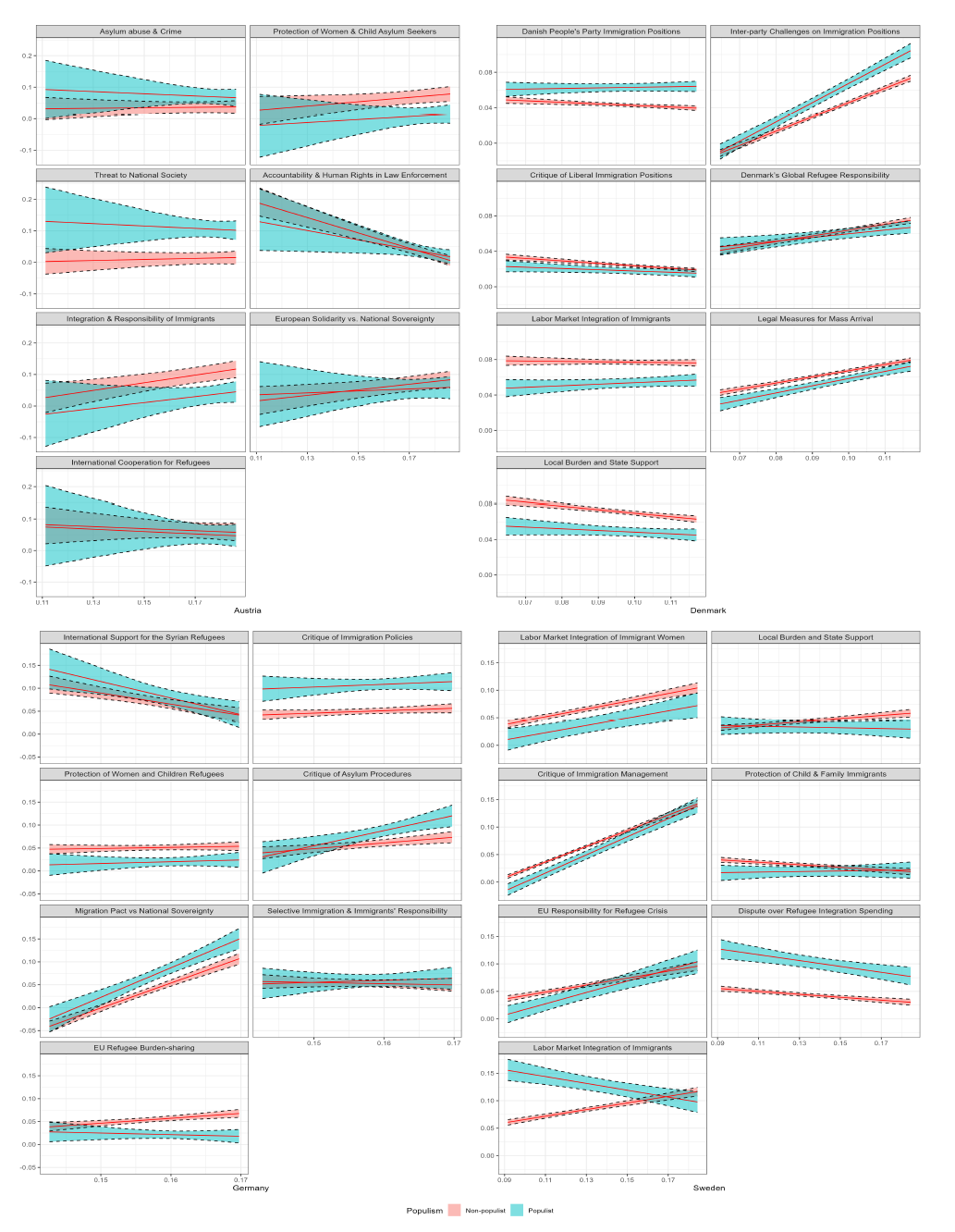
doi:10.1017/S1468109926100322Examines whether immigration contributes to the growth of populist discourse across advanced democracies.
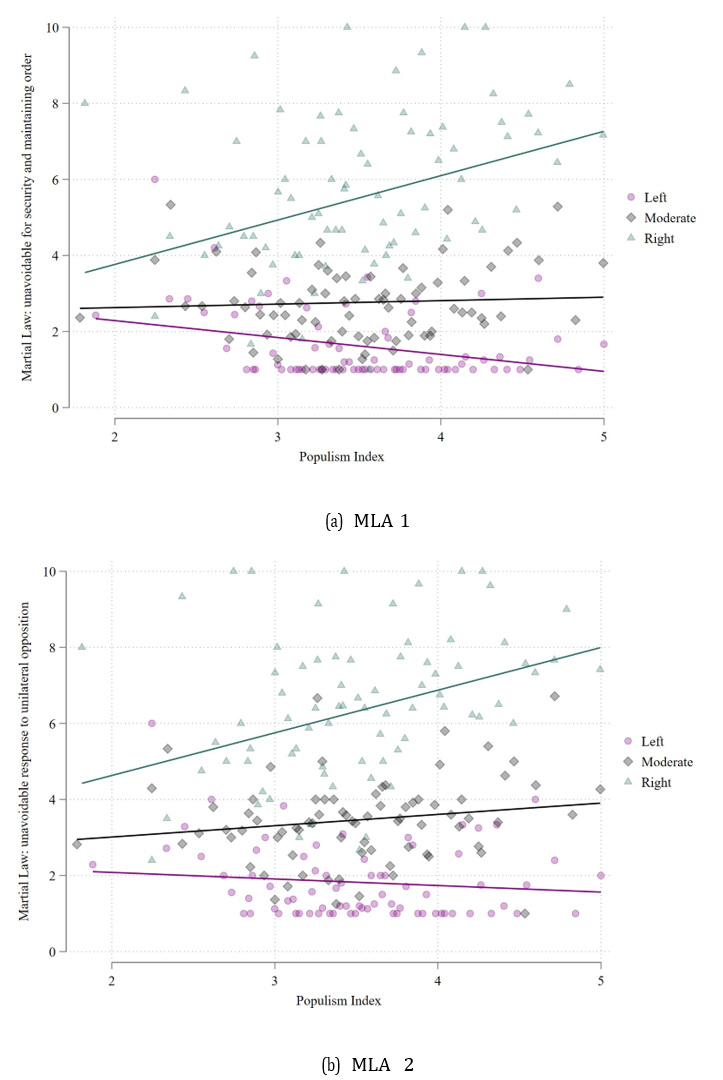
doi:10.1093/psquar/qqag001Offers insight into the conditional nature of populism's threat to democracy using data from South Korea's 2024 martial law crisis.
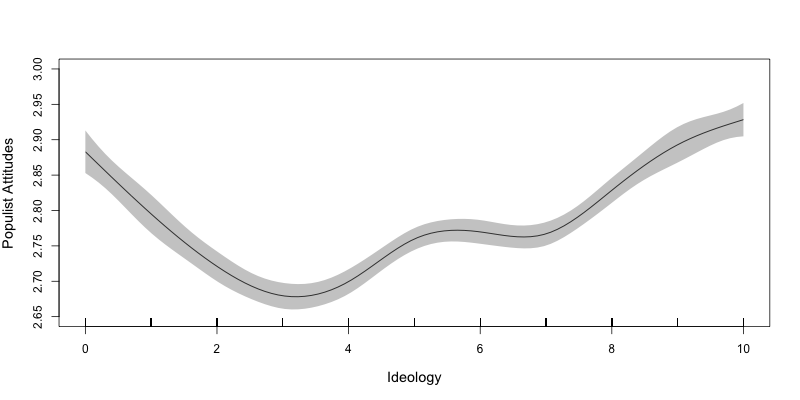
doi:10.1017/gov.2026.10032Reveals that populist attitudes follow a distinct U-shaped curve across 43 democracies, thriving at the ideological edges.
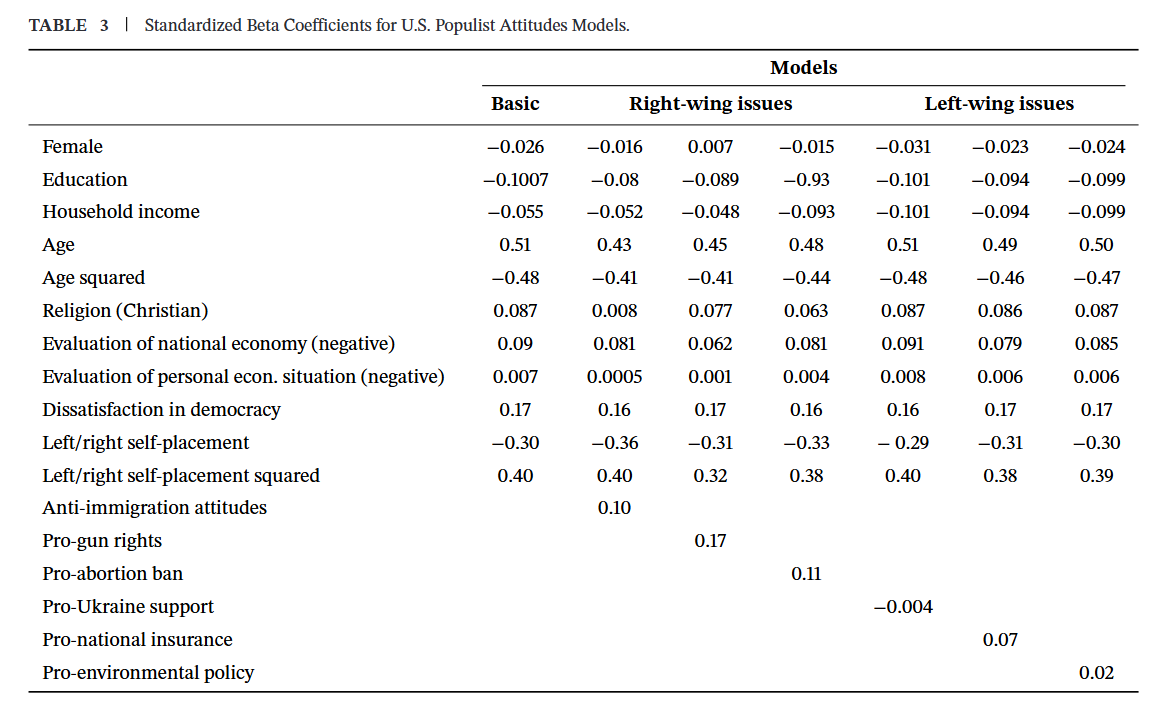
Featured in Good Authority (2025) doi:10.1017/psrm.2025.10045Finds that American populist attitudes are overwhelmingly tied to conservative rather than progressive issue positions.
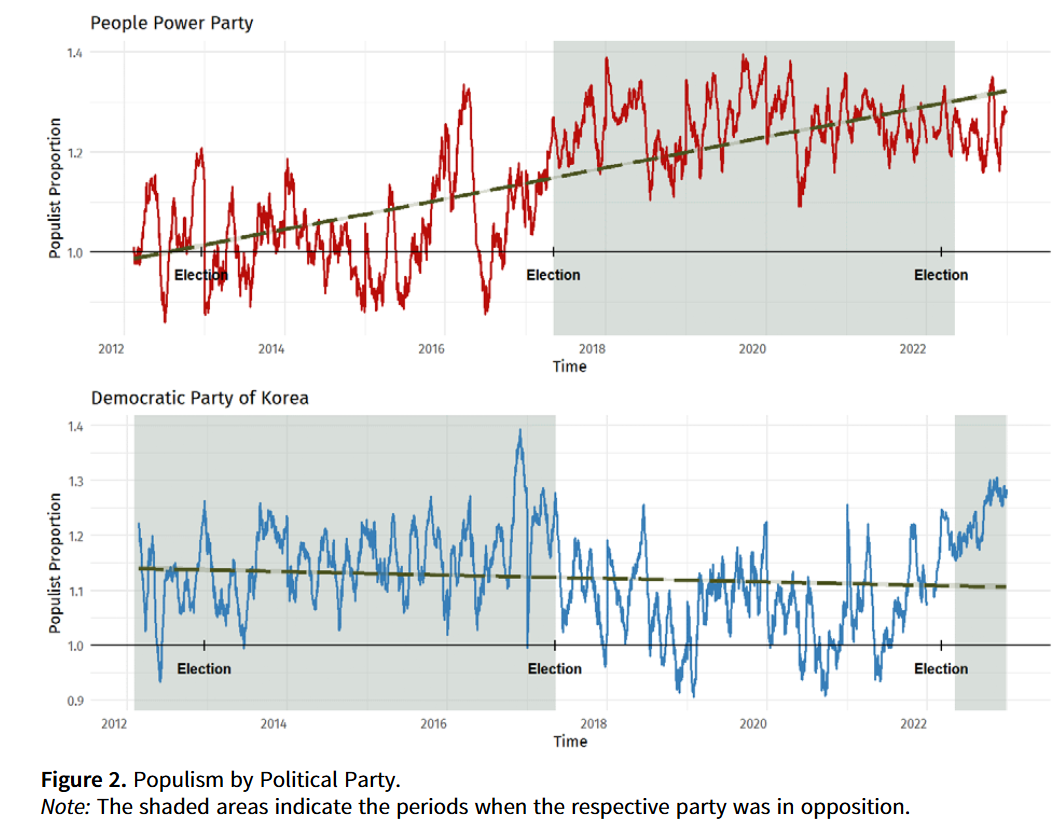
doi:10.1111/ssqu.13488Using large language models on 52,000 party statements, reveals how both major Korean parties rely on sectarian populism.
doi:10.1017/jea.2025.13Encyclopedia chapter examining how media coverage and gender dynamics shape candidate evaluations.
doi:10.4135/9781071918494Analyzes how U.S. state governors used Twitter for crisis communication during the early pandemic response.
doi:10.4018/IJPADA.344420Argues for a global framework integrating cyber and nuclear governance to address emerging digital threats.
doi:10.1177/23477970241250102Examines how competing visions of citizenship, exclusive identity-based vs. inclusive civic-based, shape Americans' support for democratic norms.
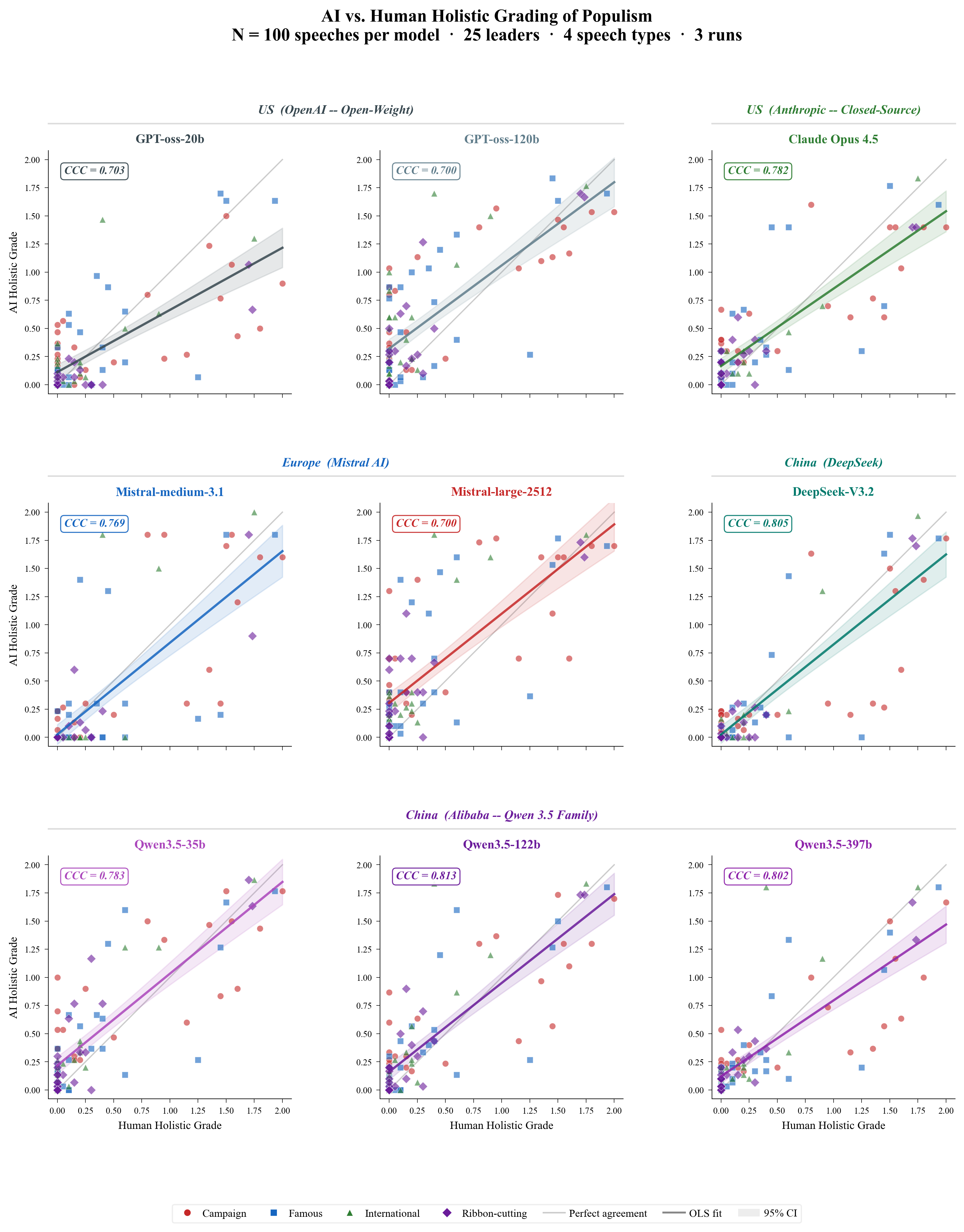
Demonstrates that LLMs can match expert human coders in detecting populist discourse across political texts.
arXiv:2510.07458Tests whether generative models can reconstruct historical public opinion, offering a synthetic route to survey data that was never collected.
Argues that platform architecture, rather than ideological self-sorting, shapes where and how cross-partisan conflict unfolds online.
Asks why citizens who sincerely value democracy nonetheless rationalize an executive's attempt to seize power.
Examines the structural gaps between AI-enabled threats and current international regulatory frameworks.
Where this research has been presented, and how it shapes the classroom